


Why Small Group Acro Sessions Are Ideal

Acrobatics is a thrilling blend of strength, balance, and grace. When you dive into acro training, the environment you choose can make all the difference. Small group acro sessions offer a unique, dynamic space where you can grow faster, feel supported, and truly shine. I’ve seen firsthand how these intimate classes transform aspiring athletes, dancers, and performers into confident movers. Let me share why small group acro classes are the perfect fit for anyone serious about mastering this art.
The Power of Small Group Acro Sessions
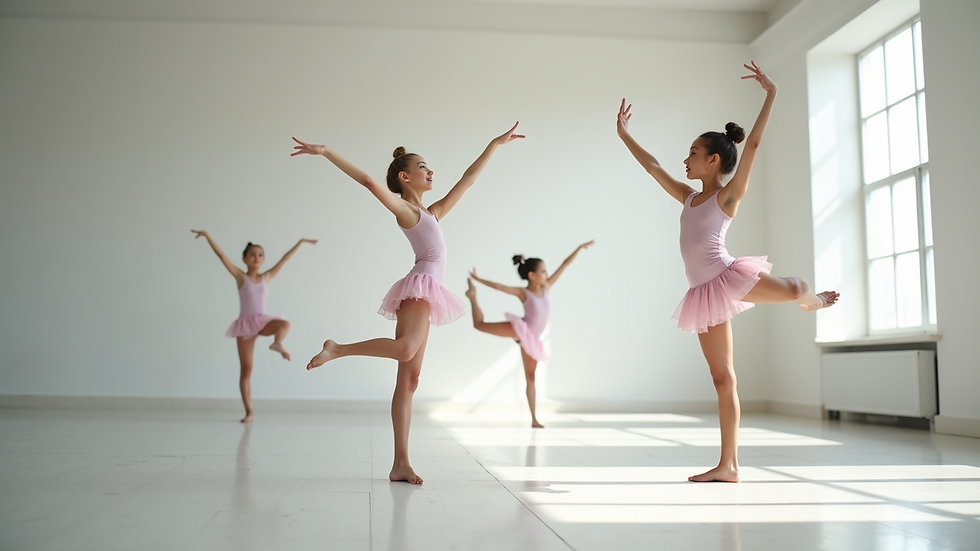
Small group acro sessions create a focused, energetic atmosphere. Unlike large classes, where attention is spread thin, these sessions allow for personalized coaching. You get direct feedback from instructors who can spot your form, correct your technique, and celebrate your progress in real time.
In a small group, every participant benefits from a sense of community. You’re not just training alongside others; you’re building trust and teamwork. Acrobatics demands connection, especially in partner and group moves. When the group is small, it’s easier to develop that essential communication and synchronization.
Plus, small groups reduce distractions. The environment feels safe and encouraging, which helps you push your limits without fear. You can ask questions freely, try new skills, and receive immediate support. This kind of setting accelerates learning and boosts confidence.
Why Choose Small Group Acro Sessions Over Private or Large Classes?
Choosing the right class size depends on your goals, but small group acro sessions strike a perfect balance. Private lessons offer one-on-one attention but can be costly and sometimes isolating. Large classes provide social energy but often lack personalized guidance.
Small groups combine the best of both worlds:
Affordable personalized coaching: You get more attention than in big classes but at a fraction of private lesson costs.
Motivation from peers: Training with a few others creates friendly competition and encouragement.
Better safety: Instructors can closely monitor everyone, reducing injury risks.
More practice time: Less waiting around means more time on the mat.
This setup is ideal for mastering complex acro skills like handstands, partner lifts, and tumbling sequences. You receive tailored corrections while benefiting from the group’s energy and support.
If you’re ready to take your acro skills to the next level, I recommend you book small group acro classes to experience this dynamic learning environment firsthand.
How to Learn Acro at Home?
While nothing replaces in-person coaching, you can supplement your training at home. Here’s how to make the most of your solo practice:
Warm up thoroughly: Focus on flexibility and joint mobility to prevent injuries.
Use mirrors or record yourself: Visual feedback helps spot alignment issues.
Practice foundational skills: Work on handstands, bridges, and basic balances.
Strengthen your core and arms: These muscles are crucial for acro moves.
Follow online tutorials from trusted sources: Choose videos that emphasize safety and proper technique.
Create a safe space: Use mats and clear the area of obstacles.
Remember, home practice is about reinforcing what you learn in class. It’s not a substitute for professional guidance but a valuable complement.

Building Confidence and Body Awareness in Small Groups
One of the most rewarding aspects of small group acro sessions is the boost in confidence and body awareness. Acrobatics challenges you to trust your body and your partners. In a small group, you get consistent chances to try new moves with support.
The instructor’s focused attention helps you understand your body’s limits and strengths. You learn to listen to your muscles, adjust your balance, and control your movements with precision. This heightened body awareness translates to better performance not only in acro but in dance, gymnastics, and everyday activities.
Confidence grows naturally when you see your progress and receive encouragement from both coaches and peers. Small groups foster a positive environment where mistakes are seen as learning opportunities, not failures. This mindset is crucial for long-term success.
What to Expect When You Join Small Group Acro Sessions
When you step into a small group acro class, expect a warm welcome and a structured yet flexible routine. Classes usually start with a thorough warm-up focusing on flexibility, strength, and coordination. Then, you’ll move into skill-building exercises tailored to the group’s level.
Expect plenty of partner work and group formations. These exercises build trust and teach you how to move in harmony with others. The instructor will provide hands-on adjustments and verbal cues to refine your technique.
Classes often end with cool-down stretches and a brief reflection on what you learned. This helps solidify new skills and prepares your body for recovery.
Small group sessions are designed to be fun and challenging. You’ll leave feeling energized, accomplished, and eager for the next class.
Small group acro sessions offer a powerful, supportive environment to develop your acrobatic skills. They combine personalized coaching, peer motivation, and a safe space to explore your potential. Whether you’re aiming to perfect your handstands or master complex partner moves, these classes provide the ideal setting to grow.
Ready to elevate your acro journey? Don’t wait - book small group acro classes today and experience the difference for yourself.


Comments